Customer Management System for Modern Businesses
A customer management system helps businesses manage customer data, improve service, automate follow-ups, and strengthen customer relationships.
Customer Management System: Modern Solution for Managing Customer Data and Relationships
In the modern business world, customers are not just buyers. Customers are a company’s primary asset, determining long-term business growth. Unfortunately, many companies still struggle to manage customer data in a structured way. Data is scattered across Excel, WhatsApp, email, and even the personal notes of sales and customer service teams.
As a result:
Follow-ups are inconsistent
Communication history is lost
Customer service is slow
Leads are poorly managed
Potential customers are neglected
Customer loyalty is difficult to maintain
These issues often occur in businesses that are starting to grow but do not yet have an integrated digital system.
This is where a customer management system becomes a crucial solution. This system helps companies manage all customer data, interaction history, sales activities, and customer service within one centralized platform.
With a customer management system, companies can build more professional customer relationships, increase customer loyalty, accelerate sales processes, and create a better customer experience.
What is a Customer Management System?
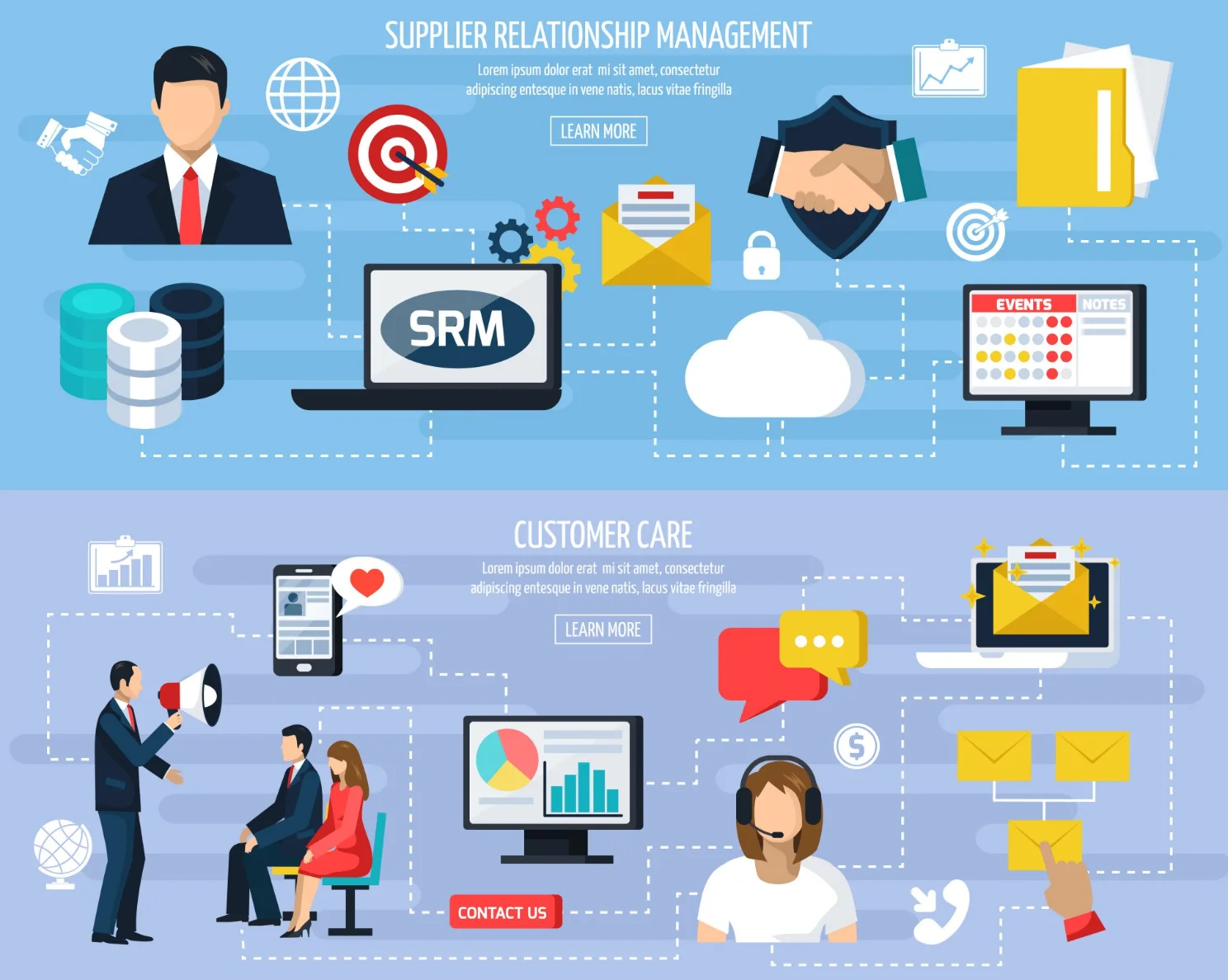
A customer management system is a digital system used to manage customer data, communication history, sales activities, customer service, and business interactions in an integrated manner.
This system helps companies store all customer information in one database that can be accessed by relevant teams such as:
Sales
Customer service
Marketing
Operations
Management
Customer management systems are often associated with CRM (Customer Relationship Management), but their implementation can be broader depending on company needs.
This system allows companies to:
Store customer data centrally
Monitor communication history
Manage leads and prospects
Set up automated follow-ups
Analyze customer behavior
Improve service quality
Why is a Customer Management System Important for Business?
The larger a business grows, the more complex customer management becomes.
Without a good system, companies will experience:
Scattered customer data
Difficulty tracking communication
Inconsistent follow-ups
Slow service
Suboptimal sales
High risk of customer churn
A customer management system helps companies create more structured and data-driven workflows.
Changes in Customer Behavior in the Digital Era
Today's customers want:
Fast responses
Personalized service
Accurate information
Convenient experience
Consistent communication
If a company is slow to respond or doesn't understand customer needs, customers will easily switch to competitors.
Therefore, companies need a system that can help them understand customers more deeply.
Common Business Problems Without a Customer Management System
1. Customer Data Scattered in Many Places
Many businesses still store data in:
Manual spreadsheets
WhatsApp chats
Personal emails
Employee notes
As a result:
Data is difficult to find
Information is not synchronized
High risk of data loss
2. Inconsistent Customer Follow-Up
Without an automated system, sales and customer service often forget to:
Contact customers
Send offers
Follow up on complaints
Provide updates
This leads to lost sales opportunities.
3. Difficulty Knowing Customer History
When customers contact the company again, the team often doesn't know:
Purchase history
Previous complaints
Offers that have been made
Customer's last activity
As a result, the service feels unprofessional.
4. Team Evaluation is Difficult to Conduct
Without an integrated system, companies struggle to monitor:
Sales activity
Customer service responses
Conversion rates
Team productivity
5. Loyal Customers Are Not Managed
Many businesses lose repeat order opportunities because they don't have a loyal customer monitoring system.
Key Functions of a Customer Management System
Managing Customer Database
All customer data is stored in a centralized system, such as:
Customer name
Contact
Address
Transaction history
Communication history
Customer status
Streamline Follow-Up
The system can provide automatic reminders for:
Prospect follow-up
Service renewals
Promotional offers
Meeting schedules
Monitor Sales Activity
Companies can view:
Incoming leads
Deal progress
Sales pipeline
Closing rate
Sales performance
Enhance Customer Service
Customer service can view customer history, making service faster and more personalized.
Customer Data Analysis
Companies can identify:
Most popular products
Customer behavior
Most loyal customers
Purchasing patterns
Customer satisfaction levels
Key Features in a Customer Management System
1. Customer Database Management
A core feature for storing all customer data neatly and systematically.
Data can be categorized by:
Customer status
Location
Industry
Sales potential
Last activity
2. Sales Pipeline Management
Helps monitor the customer journey from prospect to closing.
Pipeline examples:
New lead
Contacted
Negotiation
Proposal sent
Won
Lost
3. Activity Tracking
Records all team activities such as:
Call
Meeting
Follow-up
Email
Customer chat
4. Reminders and Automation
The system can send automatic notifications for:
Customer follow-up
Contract renewal
Meeting schedules
Customer invoices
5. Dashboard Monitoring
The dashboard helps management see:
Sales performance
Lead count
Conversion rate
Customer activity
Revenue
6. Customer Support Ticketing
Helps manage:
Customer complaints
Help requests
Problem resolution progress
7. WhatsApp and Email Integration
Communication with customers becomes more centralized and easy to monitor.
8. Reporting and Analytics
The system can generate automatic reports such as:
Monthly sales
Team activity
Customer retention
Repeat orders
Customer satisfaction
Benefits of a Customer Management System for Businesses
1. Increases Customer Loyalty
Customers who are served quickly and personally tend to be more loyal to the business.
2. Accelerates the Sales Process
Sales teams can quickly access customer data, making the closing process more effective.
3. Reduces Lead Loss
With automatic reminders, missed follow-up opportunities can be minimized.
4. More Professional Service
Complete customer history makes customers feel more valued.
5. Increases Operational Efficiency
All data and activities are stored on one platform.
6. More Accurate Decision Making
Real-time data helps management determine business strategies based on facts, not assumptions.
Industries Suitable for Using a Customer Management System

Property
Managing unit purchase prospects and customer follow-ups.
Retail
Monitoring loyal customers and purchase history.
Hospitals and Clinics
Managing patient data and service schedules.
Education
Managing student data and parent communication.
Software House
Managing project leads and client communication.
Distributor
Monitoring customer areas and sales activities.
Manufacturing
Managing relationships with buyers and distributors.
Integrations That Can Be Added
A customer management system can be integrated with various other systems such as:
ERP
Operational and financial data synchronization.
WhatsApp API
Automated customer communication.
Email Marketing
Sending automated campaigns.
Payment Gateway
Monitoring customer payments.
HRIS
Monitoring the performance of customer service and sales teams.
Business Intelligence Dashboard
In-depth customer data analysis.
Customer Management System Implementation Case Study
Case Study: Medical Device Distribution Company
Condition Before Using the System
A medical device distribution company had:
25 sales representatives
6 customer service representatives
Thousands of hospital and clinic data
Problems encountered:
Scattered customer data
Inconsistent follow-ups
Many complaints handled late
Difficulty searching customer history
Sales using individual data
Resulting in:
Many lost sales opportunities
Disappointed customers
Decreased customer retention
Implemented Solution
The company built a custom customer management system with features:
Centralized customer database
Sales activity tracking
Customer service ticketing
Automated follow-up reminders
Monitoring dashboard
Results After 8 Months
Significant changes observed:
Customer service response time decreased by 47%
Repeat orders increased by 38%
More consistent sales follow-ups
Increased customer retention
More secure and structured customer data
Additionally, management can monitor all customer and team activities in real-time.
Customer Management System and Digital Transformation
Digital transformation is not just about having a website or social media.
Modern businesses need systems that are:
Integrated
Automated
Data-driven
Real-time
Scalable
A customer management system is a critical foundation for digital transformation because all customer activities can be managed on a single platform.
Challenges of Implementing a Customer Management System
Internal Team Adaptation
Employees need to adapt from a manual system to a digital one.
Data Migration
Old data must be accurately transferred to prevent information loss.
Legacy System Integration
Companies often have other software that needs to be connected.
User Training
Training is crucial for the entire team to utilize the system optimally.
Tips for Choosing a Customer Management System
Choose a Customizable System
Every business has different needs, so the system must be flexible.
Ensure Ease of Use
A simple user interface helps improve team adoption.
Provide Mobile Access
This is important for sales and management teams who frequently work remotely.
Support Integration
The system must be able to connect with other software.
Prioritize Data Security
Customer data is a vital company asset.
Therefore, the system must include:
Automatic backup
User access rights
Data encryption
Audit log
The Future of Customer Management Systems
Customer management system technology will continue to evolve with the integration of:
Artificial Intelligence
Machine learning
Predictive analytics
AI chatbots
Automation workflow
In the future, systems can help predict:
Potential for closing deals
Risk of customer churn
Products of customer interest
Optimal follow-up strategies
Businesses that effectively leverage customer data will gain a greater competitive advantage.
A Customer Management System is More Than Just a Database
Many companies mistakenly believe a customer management system is only for storing customer data.
Yet, its actual function is far greater.
This system helps companies:
Improve customer relationships
Accelerate sales
Improve service
Optimize operations
Make data-driven decisions
In the long term, a customer management system can significantly increase business profitability.
Build More Professional Customer Relationships
If your business is starting to experience problems such as:
Scattered customer data
Inconsistent follow-up
Slow service
Difficulty monitoring sales activities
Inaccurate customer service evaluations
Then it's time to use an integrated customer management system.
BMS Services helps companies build custom customer management systems according to business needs, including:
Custom CRM
Dashboard monitoring
Automation follow-up
WhatsApp integration
Customer support system
Sales pipeline
Reporting analytics
Mobile apps
The system is designed according to the company's workflow, making it more effective to use and capable of supporting long-term business growth.
Optimize Customer Relationships with the Right System
Good customer relationships cannot be managed manually as a business grows.
Companies need a system that can help:
Manage customer data
Accelerate service
Increase loyalty
Optimize follow-up
Monitor team performance
With the right customer management system, businesses can build more modern, efficient, and scalable operations.