Cloud Business System Services for Business Scalability
Improve company efficiency and scalability with a cloud business system from BMS Services. CRM, ERP, automation, dashboards, and operational integration.
Cloud Business System Services for Business Integration and Scalability
Modern companies face increasingly complex operational challenges. Business growth brings increased data volume, transactions, inter-divisional coordination, and the need for faster, more accurate monitoring.
Many companies are starting to experience problems such as:
data spread across many systems
slow manual processes
inefficient approvals
difficulty monitoring operations
unsynchronized inter-divisional communication
limited data access
legacy systems that are difficult to develop
unscalable operations
In such conditions, companies need an operational system that is integrated, flexible, and accessible in real-time from anywhere.
Therefore, the implementation of a cloud business system is one of the important foundations in the digital transformation of modern companies.
A cloud business system helps companies integrate various operational processes into a single, more efficient, scalable, and easily developed cloud-based system.
What is a Cloud Business System?

A cloud business system is a cloud-based company operational system that enables all business processes to run digitally and be integrated via the internet.
This system can include:
company CRM
ERP
inventory management
workflow automation
operational dashboard
customer portal
HR management system
ticketing system
AI automation
WhatsApp automation
real-time data monitoring
Because it is cloud-based, the system can be accessed:
from the office
other branches
home
smartphone
laptop
tablet
in real-time.
Why is a Cloud Business System Increasingly Important?
Modern work patterns require companies to have more flexible systems.
Many businesses now run:
hybrid working
remote teams
multi-branch operations
cross-city operations
real-time coordination
Manual systems or traditional local servers often become obstacles because they are:
difficult to access
inflexible
expensive maintenance
difficult to scale
Cloud business systems help companies overcome these challenges.
Website as the Frontend of a Cloud Operational System
In modern business, a website is no longer just a company profile.
A website can become the frontend for a company's entire cloud operational system.
A website can connect directly to:
CRM
ERP
operational dashboard
inventory system
customer portal
AI automation
WhatsApp automation
booking system
ticketing system
In other words:
Website = interface for accessing a company's cloud operational system.
Advantages of Using a Cloud Business System
1. Real-Time Data Access from Anywhere
Because it is cloud-based, all operational data can be accessed in real-time.
Management can:
monitor operations
view business dashboards
perform approvals
monitor teams
access reports
anytime, from anywhere.
Important Integration Capabilities
Cloud-based real-time monitoring
Cross-device synchronization
Remote operational access
Mobile operational dashboard
Multi-location access system
2. Cross-Divisional Integration
One of the biggest problems for growing companies is inter-divisional silos.
Sales have their own data.
Finance uses different spreadsheets.
The warehouse has a separate system.
Operations are not synchronized.
A cloud business system allows all divisions to work within one integrated system.
Divisions That Can Be Integrated
sales
finance
procurement
HR
customer service
inventory
operations
marketing
Example of an Integrated Workflow
When sales close:
invoices are automatically generated
finance receives notifications
operations receives job orders
inventory is updated
management dashboard updates real-time
Important Integration Capabilities
Cross-division synchronization
Unified operational database
Integrated workflow automation
Real-time interdepartment data
Centralized operational dashboard
3. Better Business Scalability
Cloud systems are easier to develop than traditional local systems.
When businesses grow:
users can be added
new branches can be integrated
storage can be expanded
new workflows can be added
without having to rebuild the entire system.
Why Is Scalability Important?

Many businesses fail to grow because:
operations are not ready
manual workflows cannot handle large volumes
monitoring becomes chaotic
Cloud business systems help companies build a scalable foundation from the start.
Important Integration Capabilities
Automatic system scaling
Multi-branch operational system
Cloud resource expansion
Flexible workflow development
Enterprise scalability infrastructure
Cloud CRM for Sales and Customer Management
CRM is one of the most important components in a cloud business system.
Without CRM:
customer data is scattered
follow-ups are inconsistent
customer history is lost
sales monitoring is difficult
With cloud CRM:
all customer data is centrally stored
sales can work from anywhere
monitoring runs in real-time
follow-ups are faster
Modern CRM Workflow
When a customer fills out a form on the website:
leads automatically enter CRM
system distributes leads to specific sales reps
WhatsApp follow-ups are sent automatically
sales dashboard is updated
customer history is stored automatically
Key Integration Capabilities
Lead distribution automation
Cloud-based customer database
Sales pipeline monitoring
Auto-follow up system
Customer activity tracking
Integrated sales dashboard
Cloud ERP for Business Operations
Cloud-based ERP helps companies integrate various operational processes.
Connectable Operational Areas
procurement
finance
inventory
HR
sales
warehouse
reporting
operational monitoring
Benefits of Cloud ERP
more synchronized data
faster monitoring
more efficient approvals
real-time reporting
better inter-divisional coordination
Key Integration Capabilities
Cloud ERP synchronization
Real-time operational reporting
Integrated procurement workflow
Automated financial process
Cross-functional operational system
Cloud-Based Inventory Management
Inventory management is one of the most critical areas in business operations.
Common problems:
inaccurate stock
human error
difficult to monitor distribution
unsynchronized warehouse data
A cloud inventory system helps companies monitor inventory in real-time.
Cloud Inventory Workflow
When a transaction occurs:
stock is automatically updated
warehouse dashboard changes in real-time
purchase requests can be auto-generated
distribution can be monitored live
Critical Integration Capabilities
Real-time inventory synchronization
Multi-warehouse integration
Cloud inventory dashboard
Distribution monitoring
Automated stock alert
Purchase order automation
Workflow Automation in Cloud Business Systems
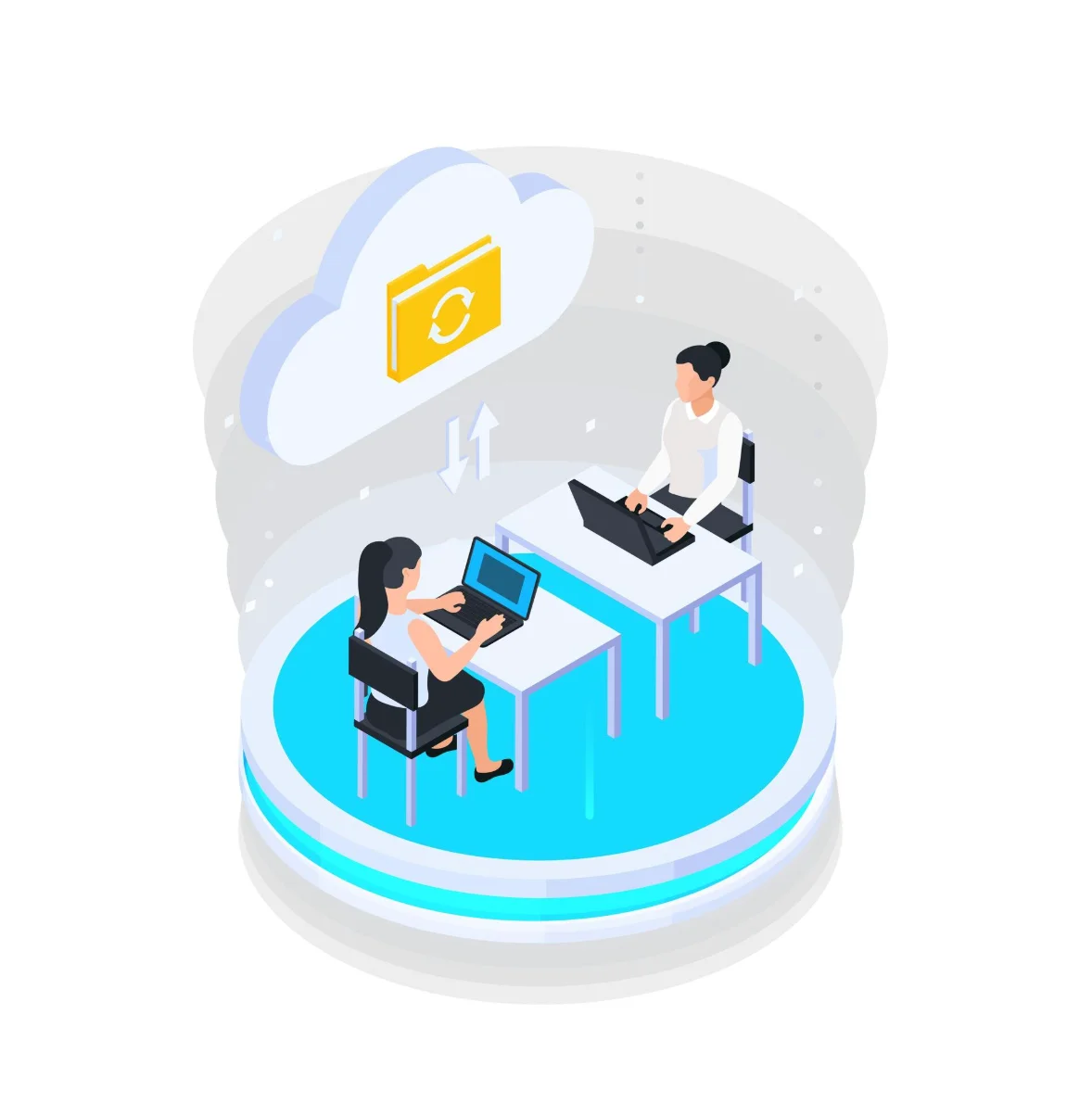
Automation is one of the greatest values of cloud business systems.
Workflow automation helps companies:
reduce manual labor
accelerate operations
reduce human error
increase efficiency
Examples of Workflow Automation
Approval Automation
Before digitalization:
print documents
manual signatures
inter-departmental delivery
After cloud workflow:
automatic approvals
real-time notifications sent
dashboard automatically updated
Reminder Automation
Systems can send:
invoice reminders
payment reminders
meeting reminders
approval reminders
automatic customer follow-ups
Critical Integration Capabilities
Multi-level approval automation
Workflow routing automation
Real-time notification system
Escalation automation
SLA operational monitoring
Automated operational workflow
AI Automation in Cloud Business Systems
Artificial Intelligence is increasingly important in modern operations.
AI helps:
speed up work
reduce team workload
increase efficiency
assist with data analysis
AI Implementation
AI Chatbot
AI helps:
customer service
answer common questions
routing customer inquiries
AI Analytics
AI can:
analyze business performance
predict operational bottlenecks
assist in decision-making
AI Document Processing
AI can:
read invoices
automatically extract data
validate documents
Key Integration Capabilities
AI operational analytics
AI document recognition
AI workflow routing
AI customer interaction
Predictive operational monitoring
AI-based reporting system
WhatsApp Automation for Business Operations
In Indonesia, WhatsApp is a crucial business channel.
Cloud business systems can integrate WhatsApp automation for:
customer follow-up
payment reminders
operational notifications
service status updates
Example Workflow
When a customer fills out a form:
CRM automatically creates a lead
WhatsApp follow-up is sent
sales receive a notification
dashboard is updated
Key Integration Capabilities
WhatsApp trigger automation
CRM WhatsApp integration
Automated customer notification
Operational WhatsApp workflow
Customer interaction tracking
Real-Time Cloud Operational Dashboard
One of the biggest benefits of a cloud business system is live business monitoring.
Dashboards That Can Be Built
Sales Dashboard
conversion rate
number of leads
revenue projection
Operational Dashboard
team workload
job SLA
project monitoring
Warehouse Dashboard
real-time stock
goods distribution
Finance Dashboard
cashflow
outstanding invoices
expense monitoring
Key Integration Capabilities
Real-time cloud dashboard
Cross-department analytics
Business intelligence reporting
KPI operational monitoring
Live operational tracking
Cloud Business System Implementation Case Studies
Case Study 1: Distribution Company
Initial Problems:
unsynchronized stock
slow procurement approval
difficult warehouse monitoring
Solution:
cloud inventory management
procurement workflow automation
real-time warehouse dashboard
Results:
faster operations
easier monitoring
reduced human error
Case Study 2: Service Company
Initial Problems:
manual customer follow-up
scattered customer data
difficult sales monitoring
Solution:
cloud CRM
WhatsApp automation
sales dashboard
Results:
faster response time
more efficient operations
real-time sales monitoring
Security in Cloud Business Systems
Security is a vital component of cloud-based systems.
Modern systems typically use:
access control
role management
audit trail
encrypted database
automatic backup
activity monitoring
Key Integration Capabilities
Cloud security architecture
Role-based access control
Audit trail system
Encrypted operational database
Automated cloud backup
Operational activity monitoring
Why Do Many System Implementations Fail?
Many implementations fail because:
they only focus on the frontend
they do not understand business workflows
the system is not scalable
integration is poor
automation does not align with real operations
A good cloud business system must understand:
real operational flows
the needs of each division
company workflow
long-term scalability
cross-system integration
Why Choose BMS Services?
BMS Services helps companies build cloud business systems tailored to real operational needs.
Services include:
custom CRM
ERP integration
workflow automation
inventory management
operational dashboard
AI automation
customer portal
WhatsApp automation
real-time monitoring
cloud operational system
Systems are designed to be:
scalable
efficient
integrated
secure
ready for long-term growth
Operational Transformation from Local Systems to Cloud Business Systems
Many companies in Indonesia still use local or semi-manual systems that are no longer capable of supporting modern operational needs.
Common problems with old systems:
data stored on specific computers
access limited to the office
difficult to use across branches
inconsistent backups
complex maintenance
difficult integration between systems
As companies grow, such systems begin to become operational bottlenecks.
Cloud business systems help companies transform toward more flexible, modern, and scalable operational systems.
Local System vs. Cloud Business System Differences

Traditional Local Systems
Characteristics:
server is in the office
limited access
manual maintenance
difficult scaling
slow data synchronization
Risks:
high downtime
suboptimal backup
difficulty with remote working
inflexible operations
Cloud Business System
Characteristics:
cloud infrastructure-based
accessible real-time
supports multi-device
scalable
easier integration
Advantages:
more flexible operations
real-time monitoring
more efficient maintenance
supports business growth
Important Integration Capabilities
Cloud-native operational architecture
Cross-device accessibility
Real-time operational synchronization
Flexible cloud scaling
Centralized operational access
Automated infrastructure management
Cloud Business System for Multi-Branch and Franchise
Companies with multiple branches often face problems:
branch data not synchronized
slow reporting
difficult monitoring
inconsistent SOPs
different operations for each branch
A cloud business system allows all branches to operate within a single integrated digital ecosystem.
Example Multi-Branch Implementation
Retail Operations
When a transaction occurs at a branch:
central stock is automatically updated
management dashboard updates in real-time
sales reports go directly to central
branch performance can be monitored live
Franchise Operations
A cloud system enables:
workflow standardization
franchise performance monitoring
automatic report integration
central operational control
Important Integration Capabilities
Multi-branch synchronization
Centralized franchise monitoring
Cross-location operational dashboard
Real-time branch analytics
Unified operational SOP system
Centralized reporting infrastructure
Cloud Business System for Project Management
Service, construction, software, agency, and field operations companies often face challenges in project monitoring.
Common problems:
progress difficult to monitor
scattered communication
slow approvals
unbalanced workload
frequently missed deadlines
Cloud business systems help project management run more structured operations.
Modern Project Management Workflow
Projects created in the system
Tasks automatically divided
Deadlines monitored in real-time
Approvals are digital
Project dashboard updated live
Management receives automatic reporting
Dashboards That Can Be Built
project progress
team workload
SLA of work
overdue tasks
project profitability
resource monitoring
Important Integration Capabilities
Real-time project tracking
Operational workload monitoring
Digital task management
Project SLA analytics
Cross-team collaboration system
Automated project reporting
Finance and Accounting Integration in Cloud Business Systems
Finance is one of the most important divisions in business operations.
However, many companies still use:
manual spreadsheets
repetitive data entry
manual approvals
slow reporting
Cloud business systems help finance work more efficiently and accurately.
Modern Finance Workflow
Invoice Automation
When a transaction is complete:
invoices are automatically created
customers receive notifications
finance dashboard is updated
payment status is monitored
Expense Management
The system can assist with:
automatic expense approval
real-time expense monitoring
budget validation
complete audit trail
Cashflow Monitoring
Management can view:
live cash flow
outstanding payments
revenue trends
operational expenses
Important Integration Capabilities
Automated invoicing system
Real-time financial dashboard
Expense approval automation
Cashflow operational analytics
Integrated accounting workflow
Financial reporting automation
Cloud Business System for Procurement and Vendor Management
Companies with many vendors often face problems:
disorganized vendor history
slow purchasing approval
difficult vendor monitoring
non-transparent procurement
A cloud business system helps procurement run more structured.
Cloud Procurement Workflow
Team creates a purchase request
System validates budget
Automatic approval runs
Vendors are selected based on performance history
Purchase order is created automatically
Payment tracking runs in real-time
Key Integration Capabilities
Vendor performance analytics
Procurement workflow automation
Budget validation system
Purchase order automation
Operational procurement dashboard
Integrated finance synchronization
Customer Portal as Part of a Cloud Business System
Modern customers expect transparency and quick access to information.
Therefore, a customer portal is an important part of a cloud business system.
Customer Portal Functions
Customers can:
view service status
check invoices
access documents
create support tickets
view project progress
communicate with the team
Benefits of a Customer Portal
improves customer experience
reduces customer service workload
increases transparency
accelerates communication
Key Integration Capabilities
Integrated customer dashboard
Real-time service monitoring
Digital document access
Customer interaction tracking
Self-service customer portal
Integrated ticketing workflow
Ticketing System in Modern Operations
A ticketing system helps companies manage requests and operational issues in a structured way.
Without ticketing:
customer issues go lost
SLA is difficult to monitor
follow-up is unclear
issue history is lost
Modern Ticketing Workflow
When a customer files a report:
a ticket is automatically created
priority is determined by the system
the ticket is shared with the relevant team
SLA runs automatically
customers receive real-time updates
Key Integration Capabilities
Automated ticket routing
SLA operational monitoring
Priority-based ticket system
Customer notification automation
Integrated support dashboard
Operational escalation workflow
Business Intelligence and Data-Driven Decisions
Cloud business systems enable companies to build data-driven operations.
Decisions are no longer based solely on intuition, but on:
analytics
real-time dashboards
operational KPI
historical trends
predictive insights
Business Intelligence Examples
Sales Analytics
conversion rate
lead source performance
customer behavior
sales productivity
Operational Analytics
operational bottlenecks
team workload
SLA performance
operational efficiency
Financial Analytics
revenue trends
operational expenses
profitability analysis
cashflow projections
Key Integration Capabilities
Business intelligence dashboard
Predictive operational analytics
Cross-functional data visualization
KPI performance monitoring
Real-time analytics engine
Operational decision support system
Hybrid Working and Modern Operations
Modern work patterns have changed drastically in recent years.
Many companies now operate:
hybrid working
remote operation
distributed teams
multi-location coordination
Traditional systems often cannot support these work patterns.
Cloud business systems enable:
data access from anywhere
real-time team monitoring
cross-location collaboration
digital approvals
live operational dashboards
Key Integration Capabilities
Hybrid operational infrastructure
Remote operational access
Cloud collaboration system
Real-time distributed workflow
Cross-location operational monitoring
Digital approval infrastructure
Why Cloud Business Systems are the Foundation of Modern Business
A cloud business system is not just software.
A cloud business system is a modern operational foundation that helps companies:
work faster
more efficiently
be more scalable
be more integrated
be more ready for growth
Companies that still rely on manual operations will find it increasingly difficult to compete in the digital era.
BMS Services Helps Build Cloud Business Systems that Match Real-World Operations
BMS Services helps companies build cloud business systems designed based on real operational needs.
Not just the frontend display, but also:
backend integration
workflow automation
operational dashboards
custom CRM
ERP integration
inventory management
AI automation
WhatsApp automation
customer portal
ticketing system
real-time monitoring
All systems are designed to be:
scalable
secure
flexible
efficient
support long-term business growth
If your company wants to build a more modern, integrated, and scalable cloud-based operational system, consult your business digitalization needs with the BMS Services team.
Build a Modern and Scalable Operational Foundation
Cloud business systems help companies build more modern, fast, efficient, and scalable operations.
With an integrated cloud system, companies can:
increase productivity
accelerate workflows
reduce human error
enhance business monitoring
support long-term growth
If your company wants to build a more modern and efficient cloud-based operational system, consult your business needs with the BMS Services team.