Professional Website Redesign Services for Modern Businesses
Need a professional website redesign? BMS Services helps you redesign a modern, fast, SEO-friendly, and conversion-optimized website for your business.
Professional Website Redesign Services for Modern Businesses
In today's digital era, a website is no longer just an add-on for a business. It has become the core of a company's marketing, branding, customer experience, and digital operations. However, many businesses still use old websites that are no longer relevant to modern user needs or digital technological developments.
A slow, non-mobile-friendly, difficult-to-use, or outdated website design can erode customer trust and hinder business growth. In many cases, the main problem is not traffic, but the quality of the website itself.
Therefore, website redesign services are becoming increasingly important for businesses looking to improve their overall digital performance.
BMS Services helps companies strategically redesign their websites, not just by updating the visual appearance, but also by improving user experience, conversion rates, SEO, system integration, technical performance, and website scalability to support long-term business growth.
What Is Website Redesign?
Website redesign is the process of updating, improving, or rebuilding a website to make it more modern, effective, and aligned with current business needs.
Redesign can include:
Visual appearance changes
Improvements to page structure
Mobile responsiveness optimization
Website speed improvement
User experience (UX) enhancement
SEO optimization
Business system integration
Conversion funnel improvement
Website technology upgrade
In practice, website redesign is not just about “making a website look better,” but also about improving business performance through data-driven approaches and digital strategies.
Why Do Businesses Need Website Redesign?
As technology evolves and user behavior changes, a website that was once effective can become irrelevant.
Many companies experience issues such as:
High traffic but low leads
High bounce rate
Slow website
Difficult to use on mobile
Declining SEO ranking
Difficulty updating content
Old systems are not scalable
Modern websites must be able to:
Provide a good user experience
Support digital marketing
Generate conversions
Integrate with business systems
Be fast and secure to use
If not, the website can become a barrier to business growth.
Signs Your Website Needs a Redesign
1. Outdated Website Appearance
An outdated design can make a business appear less professional and decrease user trust.
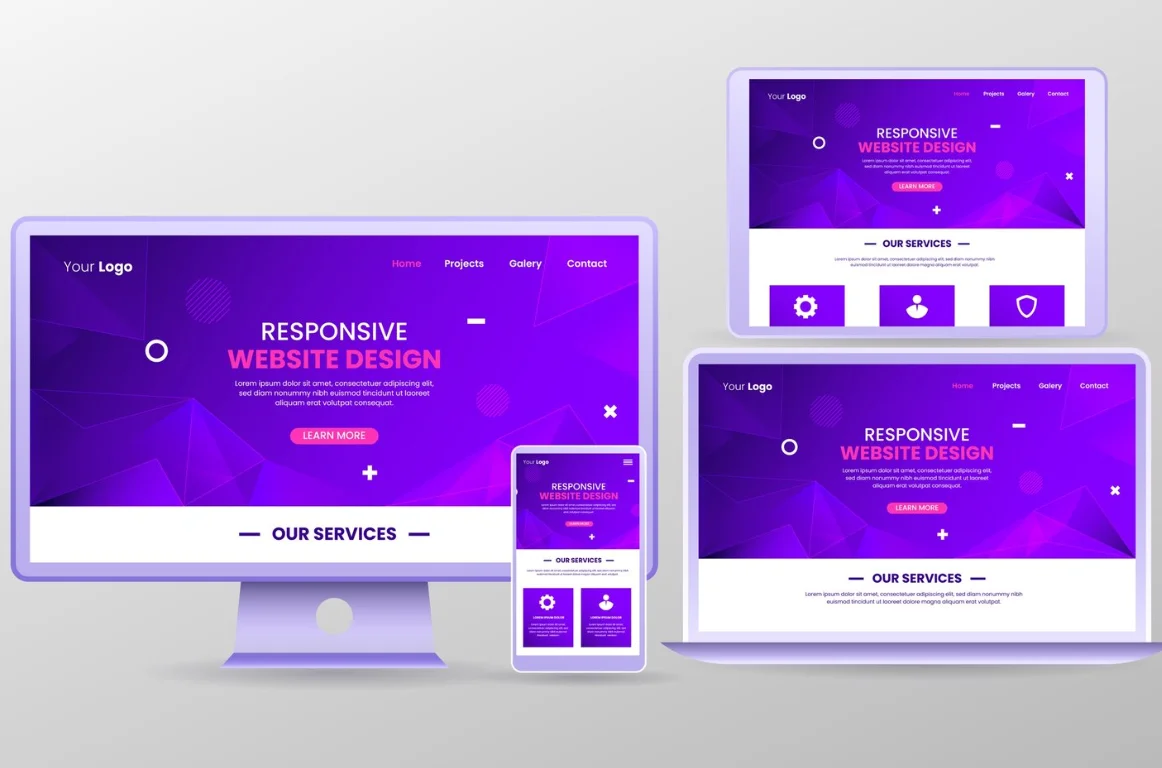
2. Not Mobile-Friendly
The majority of internet users today access websites via smartphones.
A non-responsive website typically leads to:
High bounce rate
Low conversion
Decreased SEO ranking
3. Slow Website
Website speed significantly affects:
User experience
SEO
Conversion rate
Even a loading difference of a few seconds can impact the number of leads and sales.
4. Difficult to Use
Confusing navigation or a poor page structure makes visitors quickly leave a website.
5. Not SEO-Friendly
Many older websites have:
Poor heading structure
URLs that are not SEO-friendly
Suboptimal metadata
Slow loading
Not mobile-first
6. Difficult to Develop
Older websites are often difficult to integrate with:
CRM
ERP
API
Marketing automation
AI tools
Website Redesign Goals
A good website redesign should have clear business objectives.
Some key redesign goals:
Increase conversion rate
Improve UX
Boost SEO ranking
Support branding
Speed up the website
Integrate business systems
Support automation workflow
Increase business credibility
Therefore, a website redesign should ideally be based on data and strategy, not just visual preferences.
Benefits of Website Redesign for Business

1. Increased Conversion Rate
A more modern and user-friendly website helps visitors more easily take actions such as:
Contacting the business
Filling out forms
Making a purchase
Booking a service
Conversion optimization can be achieved through:
CTA placement
Funnel simplification
Trust signals
Better content structure
2. Improving User Experience (UX)
Good UX helps visitors:
Find information faster
Comfortably use the website
Stay on the website longer
This directly impacts conversion and engagement.
3. Supporting SEO
Modern websites are easier to optimize for SEO.
Optimization includes:
Core Web Vitals
Mobile-first indexing
Internal linking
Structured data
Fast loading
URL structure
The right website redesign can significantly increase organic traffic.
4. Increasing Brand Credibility
A professional website helps increase customer trust, especially for B2B businesses and professional services.
Many potential customers judge a business's quality by its website within the first few seconds.
5. Supporting System Integration
Modern websites can be integrated with:
CRM
ERP
WhatsApp API
Payment gateway
Marketing automation
Dashboard analytics
This helps improve operational efficiency and workflow automation.
Professional Website Redesign Process
1. Website Audit
The initial stage of redesign is to audit the old website.
Analysis typically includes:
UX analysis
Speed analysis
SEO audit
Conversion funnel
Heatmap behavior
Mobile usability
Common tools used:
Google Analytics
Google Search Console
Microsoft Clarity
GTmetrix
Heatmaps
2. UX & User Behavior Research
Understanding user behavior is crucial before a redesign is undertaken.
Analysis includes:
Scroll depth
Drop-off pages
User journey
CTA interaction
Navigation behavior
This data helps identify which parts of the website need improvement.
3. Information Architecture
The website structure is reorganized so that:
Navigation is clearer
Information is easier to find
Funnels are more effective
This stage includes:
Sitemap
Menu structure
Page hierarchy
Internal linking structure
4. Wireframe & UI Design
Wireframes help determine the layout before visual design is created.
UI design is then developed with a focus on:
Modern design
Responsive layout
Branding consistency
Conversion optimization
5. Website Development
The development phase focuses on:
Performance
Security
Scalability
Responsive system
SEO structure
A modern website must be easily expandable for long-term business needs.
6. SEO Migration
A major mistake in redesigns is losing old SEO rankings.
Therefore, the following are necessary:
Redirect mapping
Meta preservation
URL optimization
Internal linking migration
Technical SEO validation
7. Testing and Quality Assurance
Before launch, the website is tested for:
Mobile responsiveness
Browser compatibility
Form functionality
API integration
Loading performance
Security validation
Importance of Mobile-First Design
The majority of website traffic today originates from mobile devices.
Therefore, a modern redesign must be:
Responsive
Fast on mobile
Touch-friendly
Easy navigation
Google also uses mobile-first indexing as an SEO ranking factor.
Website Speed and Its Impact on Business
A slow website can cause:
High bounce rates
Decreased SEO ranking
Low conversions
User frustration
Performance optimization includes:
Image optimization
Lazy loading
CDN integration
Code minification
Fast hosting infrastructure
In many cases, an increase in website speed directly impacts leads and sales.
Conversion Rate Optimization in Website Redesign
The goal of a redesign is not just traffic, but conversion.
CRO strategies include:
CTA optimization
Better content hierarchy
Trust signal placement
Form simplification
Landing page optimization
Small changes like the position of a CTA button or page structure can have a big impact on conversion rates.
Website Redesign and CRM Integration
Modern websites often serve as the front end of business systems.
Through CRM integration:
Leads are automatically entered
Faster follow-up
More structured sales pipeline
Customer data is automatically stored
This integration helps businesses improve operational efficiency and conversions.
API Integration in Modern Websites
APIs allow websites to connect with various systems such as:
Payment gateway
WhatsApp API
ERP
Dashboard analytics
Marketing automation
With API integration:
Workflow is more automated
Data is more synchronized
Human error is reduced
Website Redesign Case Studies
Case Study 1: B2B Company Profile Website
Problem
The company had an old website with:
High bounce rates
Outdated appearance
Low leads
Poor SEO structure
Solution
BMS Services implemented:
UX redesign
SEO restructuring
CTA optimization
Speed optimization
Mobile-first redesign
Results
Within 6 months:
Bounce rate decreased by 42%
Leads increased by 180%
Organic traffic increased significantly
Session duration more than doubled
Case Study 2: Fashion E-commerce
Problem
The website experienced:
High cart abandonment
Slow checkout
Poor mobile usability
Solution
Implemented:
Checkout flow redesign
Mobile optimization
Faster product pages
Better navigation structure
Results
After the redesign:
Conversion rate increased from 2.1% to 5%
Cart abandonment decreased by 31%
Revenue increased significantly
Case Study 3: Professional Services Website
Problem
High traffic but low leads.
Solution
Implemented:
Heatmap analysis
CTA repositioning
Better landing page structure
Content optimization
Results
Within several months:
Form submissions increased 3x
Higher engagement
Conversion rate increased significantly
Website Redesign and Automation Workflow
Modern websites are now part of business automation systems.
Workflow examples:
Automated leads to CRM
Email automation
WhatsApp automation
Customer segmentation
Dashboard analytics
Automation helps improve efficiency while accelerating business response.
Artificial Intelligence in Modern Websites
AI is becoming widely used in modern websites.
AI Implementation:
AI chatbot
Smart recommendations
Personalized content
Automated support
Predictive analytics
Modern websites are evolving into interactive digital platforms capable of significantly enhancing the customer experience.
KPIs to Measure Website Redesign Success
Some important KPIs:
Conversion rate
Bounce rate
Organic traffic
Average session duration
Leads generated
Core Web Vitals score
Mobile usability score
This data helps objectively evaluate the effectiveness of the redesign.
Common Mistakes in Website Redesign
Focusing Only on Visuals
A good-looking website is not necessarily effective in generating conversions.
Not Based on Data
Redesigns without analytics often lead to incorrect decisions.
Ignoring SEO
SEO migration errors can cause drastic drops in traffic.
Not Considering Scalability
Websites must be easily expandable for future business needs.
Why Choose BMS Services?
BMS Services helps businesses conduct website redesigns with an approach that is:
Data-driven
SEO-focused
Conversion-oriented
Mobile-first
Scalable architecture
We help companies build websites that are:
Modern
Fast
SEO friendly
Easily expandable
Integrated with business systems
Not just updating appearances, but also improving overall digital performance.
Build a More Modern and Effective Website
A website is not just a digital display, but a business asset that influences branding, marketing, operations, and company growth.
Through a proper website redesign process, businesses can:
Increase conversions
Optimize SEO
Support automation workflows
Speed up the website
Enhance customer experience
Build a more scalable digital system
If your business website is no longer optimal, now is the right time to redesign it with BMS Services and build a more modern, effective, and long-term business growth-ready digital platform.